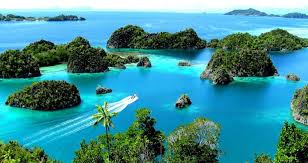
Raja Ampat is an exceptional scuba diving destination due to its unparalleled marine biodiversity, pristine coral reefs, and unique geological setting in the heart of the Coral Triangle. The remote archipelago offers a diverse range of dive environments and thrilling encounters with both megafauna and macro life, from massive manta rays to tiny pygmy seahorses.
Unrivaled biodiversity
- Heart of the Coral Triangle: Located at the epicenter of global marine biodiversity,
Raja Ampat
- is home to more recorded species of fish and coral than anywhere else on Earth. At one site,
Cape Kri
- , a world record of 374 fish species was counted during a single dive.
- Abundant marine life: The rich waters attract a huge variety of marine life, including at least 1,500 species of fish, over 600 species of coral (75% of the world's known species), and numerous mollusks.
- Megafauna and macro life: Divers can experience both large pelagic species and fascinating macro critters. You can see majestic manta rays, schooling barracuda, and reef sharks, while also spotting rare and unusual subjects like pygmy seahorses, blue-ringed octopus, and the walking shark.
Unique dive environments
- Resilient, pristine reefs: Unlike many other reef systems affected by climate change, Raja Ampat's corals have been found to be naturally resilient to bleaching. Strong currents and conservation efforts have kept its reefs healthy and pristine, with vibrant soft corals and sea fans blanketing the formations.
- Diverse topography: The volcanic and limestone geology has created a variety of dive sites, from dramatic walls and caverns to submerged pinnacles, coral gardens, and mangrove habitats.
- The Passage: This unique site is a narrow channel between jungle-covered islands where fresh and saltwater mix, creating a beautiful setting where divers can glide past vibrant soft corals and mangroves.
Diving for all skill levels
- Accessible to all: While many sites have strong currents that appeal to advanced divers, the region also features calm, shallow reefs perfect for beginners and snorkelers. Many resorts offer sheltered dive sites for less-experienced guests.
- Liveaboards vs. resorts: Divers can choose between liveaboard boats that can access more remote sites or stay at land-based resorts that provide a more relaxed pace and a range of facilities.
Remote and protected
- Low tourism impact: The remote location and limited infrastructure have kept Raja Ampat relatively pristine, meaning dive sites are rarely crowded.
- Conservation success: Strict conservation efforts have created marine protected areas and a shark sanctuary, leading to thriving fish populations and increased sightings of sharks.